The Retrofit Advantage: Why Portfolio-Wide LED Conversion Beats Location-by-Location Approach
October 19, 2026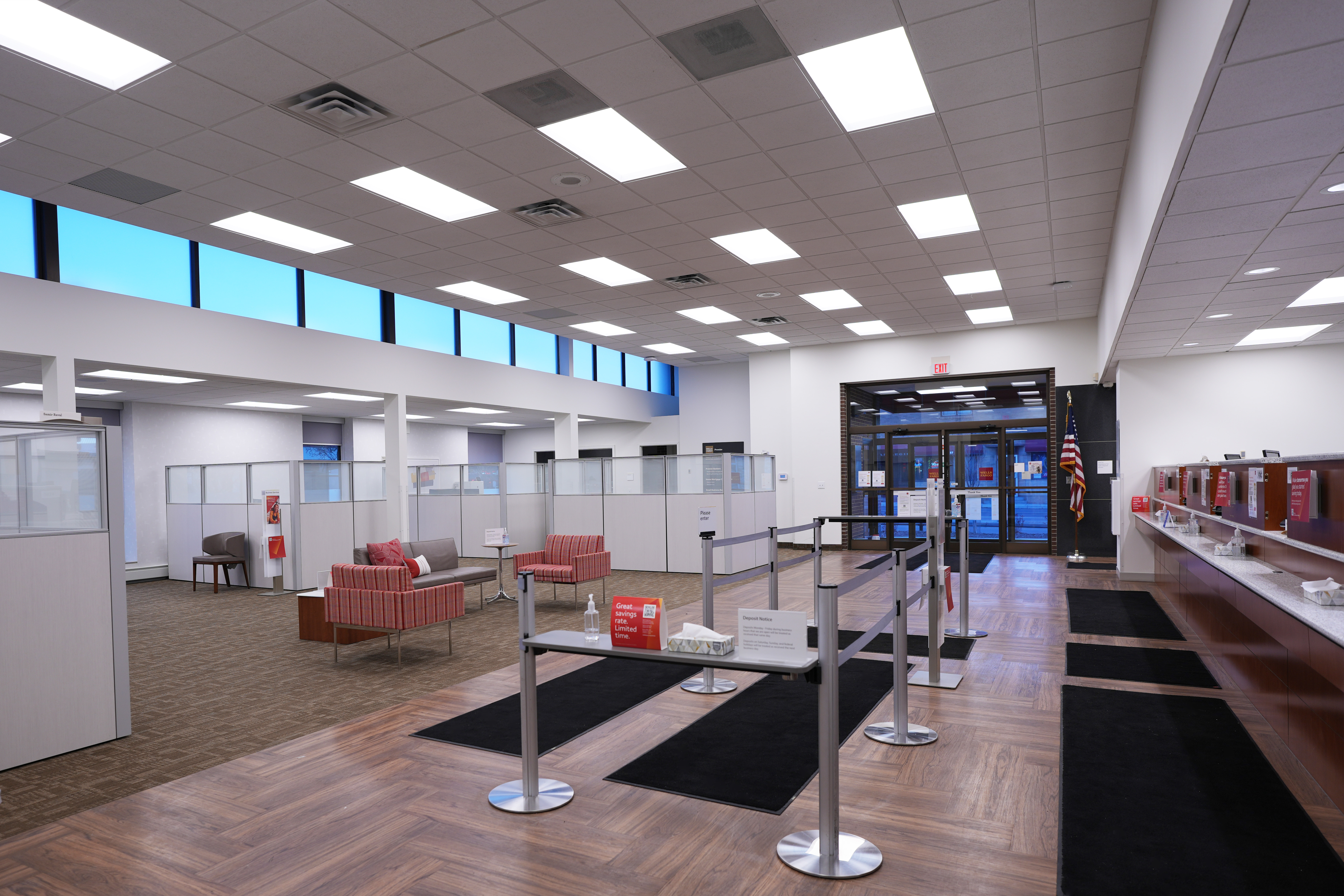
LED retrofits cut energy consumption by 50% to 75%. That's real money, and it shows up on the next utility bill. But the number you actually capture depends entirely on how you approach the conversion.
Most companies retrofit one location at a time, as budget permits or as problems emerge. That reactive pace is what you get when you rely on individual contractors with no view of the whole portfolio. A program-level approach, run by a single partner, changes the math on timing, cost and captured incentives.
The Portfolio Retrofit Strategy
EMC starts by auditing your entire portfolio, identifying which locations generate the highest ROI and executing a coordinated retrofit program across all properties. No waiting for locations to fail. No letting budget cycles set the schedule.
Done right, an LED retrofit program captures more than kWh reductions: utility rebates, tax incentives, operational efficiency gains and accelerated cash flow. The difference between capturing all of that and leaving most of it on the table is almost always sequencing.
The National Bank Case Study
The Challenge
A major national bank had a 10-year plan to convert 1,200+ branches to LED. Steady savings, steady maintenance reductions, spread across a decade. A defensible plan.
The Question EMC Asked
What if you did all 1,200 branches in a single year?
The Answer
$5.6 million in incremental cash flow, captured immediately rather than rationed across 10 years and available to redeploy into additional efficiency initiatives.
The Execution
The bank committed to a 12-month retrofit covering all 1,200+ locations. They finished on schedule. They captured the full $5.6 million. And they reinvested those funds into additional energy efficiency projects across the portfolio.
That pace required a national labor network, a proven prioritization process and the project management infrastructure to run 1,200 sites without disrupting branch operations. EMC's EnergyMAXX® process has completed more than 2,000 locations in a single year. This is the kind of program it was built for.
Why Individual Retrofits Cost More
When you retrofit locations individually, you sacrifice economies of scale. Each project requires its own bid, its own project manager, its own crew mobilization. You negotiate pricing individually for each location, so your buying power is fragmented across dozens of small transactions.
A portfolio approach consolidates all of that. EMC negotiates better pricing for 200 fixtures than you can for 20. Crews deploy more efficiently across a geographic region than across scattered one-off sites. Incentives get captured across the entire program, not project by project.
A portfolio-wide retrofit program typically costs significantly less per fixture than the same work executed site by site.
Beyond Energy Savings
An effective LED retrofit program captures value well beyond kWh reductions, though those savings are real and substantial.
Operational Efficiency
LED fixtures require less maintenance than traditional lighting, fewer replacements and longer life cycles. Retrofit your entire portfolio at once and that benefit lands everywhere simultaneously. Your maintenance team standardizes procedures, you stop stocking multiple fixture types and operations get predictable in a way that scattered retrofits never deliver.
Strategic Cash Flow
Accelerating the retrofit timeline means you capture energy savings faster and redeploy that capital into whatever comes next. A 10-year plan pays out gradually, a trickle when it could be a flood. A one-year program generates those savings immediately and leaves you with real choices: additional efficiency upgrades, facility improvements, bottom-line impact.
Incentive Capture
This is where many companies leave the most money on the table. Utility companies, government agencies and tax authorities offer significant incentives for LED retrofits. But capturing these requires expertise, documentation and coordination. EMC maintains an in-house incentives team that identifies every available funding source and handles the claims process. The difference often reaches tens of thousands of dollars across a portfolio program.
The Disruption Question
One common concern about large-scale retrofit programs is operational disruption. The idea of having crews at your locations for extended periods creates anxiety.
Portfolio-wide programs actually minimize disruption. Managing the entire program as one coordinated effort lets EMC optimize scheduling around your peak business periods, sequence work to limit impact at any single location and ensure consistent execution that reduces repeat visits.
The national bank retrofit involved 1,200 branches. Disruption was kept minimal through careful planning, experienced project management and execution at scale. Crews arrived, completed work efficiently and moved to the next location. Branches stayed open throughout.
Individual location retrofits often create more disruption because they lack this coordination. A contractor working one or two sites at a time doesn't have the same pressure to execute cleanly and move on.
The Design and Specifications Advantage
Different locations require different lighting solutions. A warehouse has different needs than a retail store. An office has different needs than a manufacturing facility.
EMC understands these distinctions and designs appropriate solutions for each environment without treating every site as a one-off. The portfolio-wide perspective is the advantage: identify patterns, standardize where it makes sense, customize where it doesn't. Your brand experience stays consistent whether you're running retail, hospitality or corporate locations.
At every location, EMC conducts detailed light level testing, evaluates operating hours, inventories existing fixtures and builds a financial model showing which upgrades generate the highest ROI. An individual contractor does that for one or two sites. EMC does it for your entire portfolio and uses the data to drive the execution strategy, not just the proposal.
The Payback Timeline
LED retrofits pay for themselves, typically within three to five years depending on your energy rates and operating hours. After payback, the savings are pure. The real question is whether to do it reactively, site by site, or strategically, across your entire portfolio at once.
A portfolio-wide approach shortens the payback timeline by accelerating the program, capturing incentives and optimizing installation efficiency. Instead of waiting for individual locations to hit payback milestones, you're treating the entire portfolio as one investment program that generates returns across all properties in parallel.
Starting the Process
The right way to approach a portfolio LED retrofit is with a comprehensive energy audit that covers all your locations. That audit should identify:
-
Current light level conditions at every site
-
Existing fixture inventory and condition
-
Operating hours and usage patterns
-
Financial analysis of potential savings by location
-
Prioritization recommendations based on ROI
This audit provides the data foundation for intelligent decision-making. It shows you which locations should be retrofitted first to maximize returns, quantifies your total opportunity, identifies available incentives and gives you the information you need to shift from reactive individual retrofits to a strategic portfolio-wide program.
EMC conducts this audit at no charge. The data it generates becomes the foundation for a customized retrofit program built around your specific locations, not a generic proposal adapted after the fact.
The Strategic Advantage
The companies getting the most out of energy efficiency run their portfolios as single programs, with a partner who has done it before at scale. That's not a strategy insight. It's a math problem that keeps resolving the same way.
The national bank didn't retrofit 1,200 branches in a year because they suddenly had more budget. A partner showed them a better way and delivered the execution to make it happen. That shift generated $5.6 million in immediate cash flow and positioned them for continued efficiency gains across the portfolio.
Your portfolio can work the same way. One program, one partner, one year to capture what a decade of reactive retrofits would have left behind.