The Lighting Execution Framework: How a Proven Process Protects Your Portfolio Program
October 27, 2026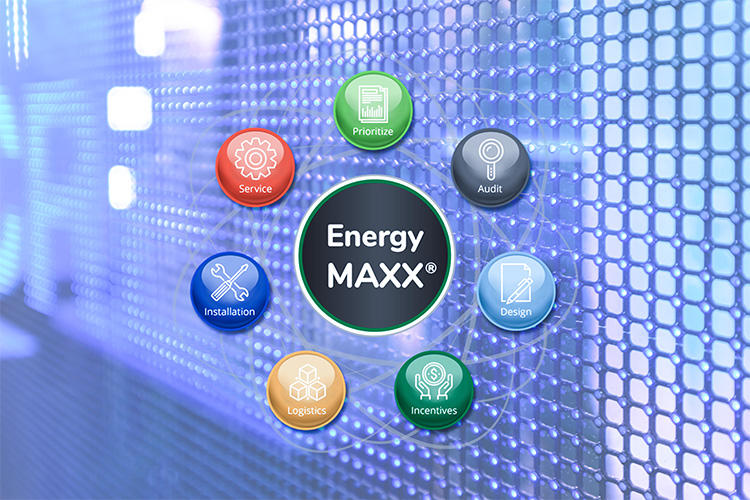
Lighting projects without a proven process create problems that compound. Crews stay at your locations longer than planned. Costs come in over projection. Quality varies by site, by crew, by whoever happened to show up that day. And anything that should have been caught during installation turns into a follow-up visit you didn't budget for.
It doesn't have to go that way.
The difference comes down to process. EMC has run thousands of multi-location projects since 2003 and operates according to tested systems built from that experience. A contractor operates reactively, solving problems as they emerge.
Why Process Matters for Lighting Projects
Most business processes are designed to standardize work and reduce variability. Manufacturing, healthcare, software development — all rely on proven processes to ensure consistent quality and predictable outcomes.
Lighting projects should work the same way. Instead, many companies treat each retrofit or reLED® project as a custom problem requiring a custom solution. That approach inevitably creates inconsistency, extends timelines and increases costs.
EMC operates according to a proven methodology designed to deliver consistent results at scale. Every project follows the same framework, draws on lessons from thousands of previous installations and is executed against standards refined since 2003.
The EnergyMAXX® Process: The Four Foundations of Professional Lighting Execution
EMC calls this the EnergyMAXX® process: Prioritize, Audit, Design, Source, Install. Every project runs through the same framework, in the same sequence. Here's what each step actually delivers.
Prioritization
Before any fixtures are ordered, any crews mobilized or any work begins, the EnergyMAXX® process starts with clear prioritization. Which locations should be addressed first? Which retrofits or reLED® projects generate the highest ROI? Where is capital deployment most efficient?
These decisions require comprehensive data on your entire portfolio: current lighting conditions at each location, energy consumption patterns, utility rates in each market, available incentives. They can't be made from a single site visit.
This is where individual contractors typically fall short. A contractor sees the immediate job. EMC sees your entire portfolio and recommends the most efficient sequence for addressing it.
A portfolio program that's poorly prioritized spends capital on low-return projects while high-return opportunities sit waiting. A well-prioritized program captures the highest-value opportunities first, generates cash flow early and uses those returns to fund what comes next.
Auditing
Once priorities are established, comprehensive auditing at every location provides the data foundation for intelligent design. Our audit goes beyond a basic site visit. It includes:
-
Detailed light level measurements at every relevant location within a facility
-
Assessment of lighting quality, uniformity and color rendering
-
Inventory and evaluation of existing fixtures
-
Analysis of operating hours and usage patterns
-
Documentation of any lighting complaints or performance issues from facility managers
-
Assessment of potential for controls integration or additional efficiency measures
This audit data drives everything that follows. Design recommendations are grounded in these measurements. Cost estimates are based on actual existing conditions, not projections. Energy savings calculations are realistic because they're built on measured operating parameters.
Individual contractors conduct a quick site visit, take some notes and provide a ballpark estimate. Our audit team provides the precision necessary for successful execution at scale.
Design
Design translates audit data into specific solutions: which fixtures to install at each location, what control systems make sense, how to position fixtures to meet performance requirements, what timeline makes sense for installation.
Good design is customized to each location's unique requirements. It's also informed by portfolio-wide thinking. EMC looks for opportunities to standardize where possible, reducing complexity, improving maintenance efficiency and strengthening buying power. We customize where necessary, recognizing that different location types have different needs.
This design phase is where professional expertise creates real value. Our designers have solved thousands of lighting challenges across every facility type. They know which fixtures perform best in different environments, understand control system integration and design solutions that are both efficient and cost-effective.
Project Management
Once design is complete, professional project management ensures execution according to plan. This includes:
-
Detailed project scheduling that coordinates work across multiple locations
-
Crew training to ensure consistent installation quality
-
Quality assurance and inspection protocols to catch problems before they compound
-
Regular communication with facility managers to minimize disruption
-
Documentation of completed work for warranty, compliance and future maintenance
Professional project management also means that when problems emerge — unexpected building conditions, schedule conflicts, technical challenges — they're resolved quickly and escalated to experienced decision-makers rather than left to field crews to handle independently.
This prevents the common scenario where a contractor's crew encounters an unexpected situation, makes a decision and creates a problem that takes multiple follow-up visits to correct.
The Large-Scale Execution Advantage
A Fortune 500 national last-mile logistics operator needed to convert 14,000+ property units to 100% LED. The facilities were spread across the country, each with its own operational constraints, facility type and scheduling requirements. No two sites were identical. The timeline wasn't flexible.
EMC converted all 14,000+ units on schedule. No disruption to operations.
That's the point of a proven process: 14,000 locations isn't a different kind of problem than 100. It's the same methodology, applied at greater scale. If your portfolio runs 100 locations or 500, the EnergyMAXX® process that managed this project manages yours.
EMC's EnergyMAXX® process has been applied across thousands of projects in every major industry, completing more than 5,000 projects per year and saving clients more than 29 billion kWh since 2003. Whatever your portfolio size — 100 locations or 500 — the same methodology applies. The process scales because it was built to scale.
Where Process Prevents Problems
A proven process prevents problems before they start. Four areas where the difference is most visible:
Disruption Minimization
A company without a good process has crews at your locations longer than necessary. Work gets held up while teams figure out problems in real time. Decisions get delayed because the right people aren't available. The result is longer site visits and more disruption to your business.
EMC has challenged itself to complete a 200-location portfolio in three months rather than the six months typical in the industry. Every week saved is energy savings accruing across your entire portfolio. Crews arrive prepared, with materials on hand and a clear scope of work. Problems are infrequent because design identified most potential issues before installation began. When they do occur, they're escalated quickly.
Quality Consistency
Consistency comes from repeating the same methodology across every project, with crews trained to the same standards. Fixture installation quality is high. Light levels match specifications. Controls integrate properly. The startup goes smoothly because the process was designed to make it go smoothly.
Without process, quality varies by crew, by facility manager experience, by countless factors outside your control. Some locations get excellent work. Others need corrections later.
Cost Predictability
A process refined over thousands of installations creates cost predictability. EMC knows what labor hours an installation requires, what materials will be needed and what contingencies to plan for. Our estimates are reliable because they're built on extensive historical data from comparable projects.
A contractor estimating from a quick site visit? That estimate is frequently inaccurate. Projects run over budget. Unexpected costs emerge. Capital planning becomes difficult.
Schedule Reliability
Schedule reliability works the same way. EMC understands how long projects take, how to sequence work across multiple locations and how to commit to timelines and meet them.
For a portfolio program, this matters enormously. If EMC commits to converting your 500-location portfolio over 18 months, the EnergyMAXX® process is designed to deliver on that timeline. A contractor making promises based on limited experience is making a different kind of commitment.
The Incentive Expertise Component
EMC's process integrates dedicated incentives expertise, and it's not an afterthought. The incentives team works in parallel with design and project management, identifying available rebates, tax incentives and grants before projects are finalized. Incentives can offset anywhere from 5% to 100% of project costs, depending on your locations and available programs. EMC's team handles every dollar of documentation and claims so none of it gets left behind.
Efficiency as a Service (EaaS) Integration
EMC also integrates Efficiency as a Service (EaaS) models into the process. Under this model, EMC funds the project and guarantees energy savings. You pay a monthly service fee rather than a capital outlay.
This model only works if the company has a proven process that creates predictable energy savings. The willingness to offer EaaS with performance guarantees signals that EMC has the process and track record to back it up. A company that can't reliably predict outcomes can't structure a program this way.
Transparency and Reporting
EMC's process includes systematic documentation and reporting at every stage. You receive:
-
Detailed energy audits showing baseline conditions at each location
-
Design specifications for each project
-
Before-and-after measurements showing achieved light levels
-
Energy consumption data showing baseline versus post-retrofit performance
-
Documentation of incentives captured
-
Warranty information and maintenance guidelines
This documentation serves multiple purposes: it proves the work was done correctly, provides the data you need for compliance and sustainability reporting, establishes a baseline for future performance tracking and documents improvements that become material if energy costs become a focal point in an acquisition or ESG review.
Making the Process Transition
If your company has been managing lighting reactively, hiring contractors for individual projects and tolerating long site visits and inconsistent results, moving to a professional process requires a shift in how you think about the engagement. Instead of managing individual contractors, you're partnering with a company committed to your entire portfolio.
The transition starts with a comprehensive audit and an honest conversation about what your company needs. EMC can explain the EnergyMAXX® process, show evidence of large-scale execution and present references from companies with similar portfolio needs.
From there, the partnership begins with a prioritization and planning phase. EMC develops a customized program for your portfolio, including timelines, budgets and incentive projections. Then execution follows the proven process.
The Difference Professional Process Makes
The companies getting the most out of their lighting programs have stopped managing multiple contractors. They consolidated to one partner with a proven process, and they're getting better results because of it.
Consistent quality, predictable budgets and incentives that contractors would have missed. That's the practical output of running 5,000+ projects a year under the same methodology.
The results followed consolidation. They'll follow yours.